Optimal Timing for Plant Repotting
Spring is often considered the ideal time for repotting, as plants enter active growth phases. This allows roots to recover quickly and establish in new soil.
Repotting after flowering ensures plants are not stressed during bloom cycles and can focus energy on root development.
Early summer provides warm temperatures and longer days, supporting root growth after repotting.
Repotting should be done when the soil is dry to reduce risk of root rot and facilitate easier removal of the plant.
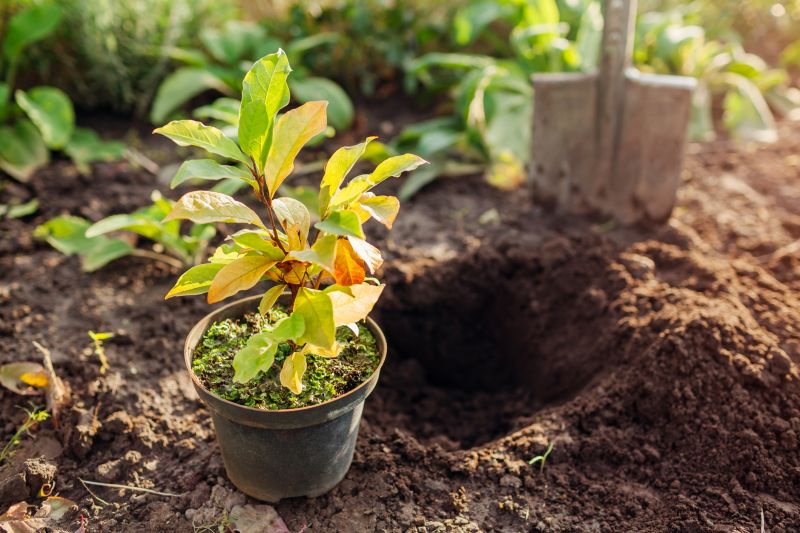
Repotting during early spring supports vigorous growth.
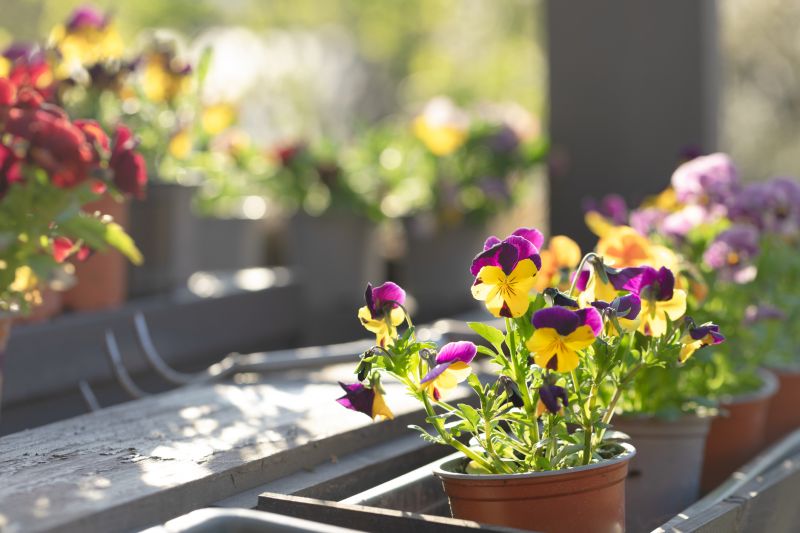
Timing after flowering minimizes stress.
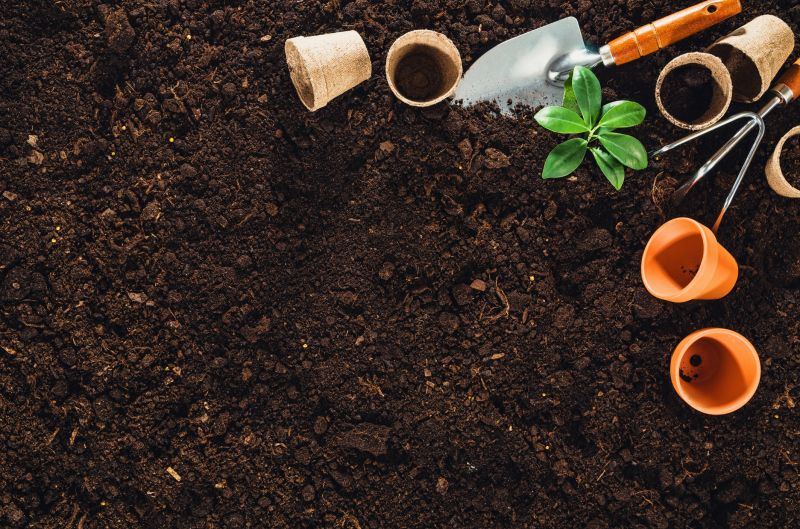
Identify when roots are circling the pot.
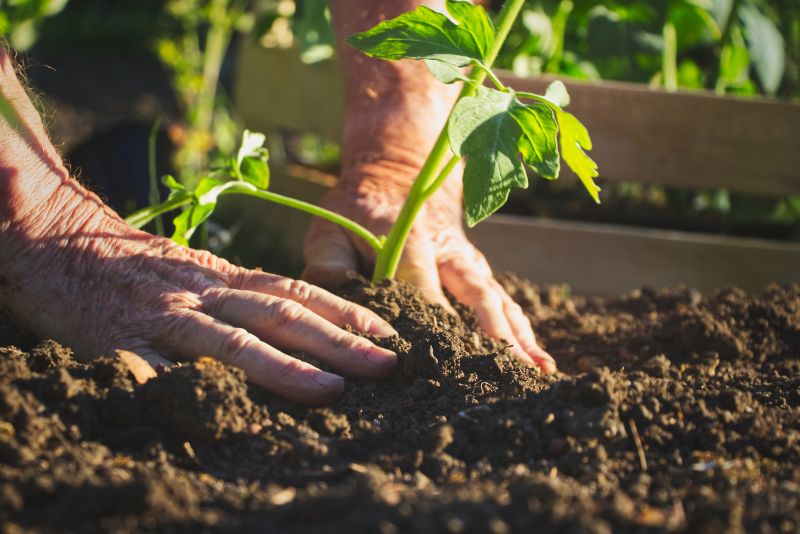
Ways to make Plant Repottings work in tight or awkward layouts.
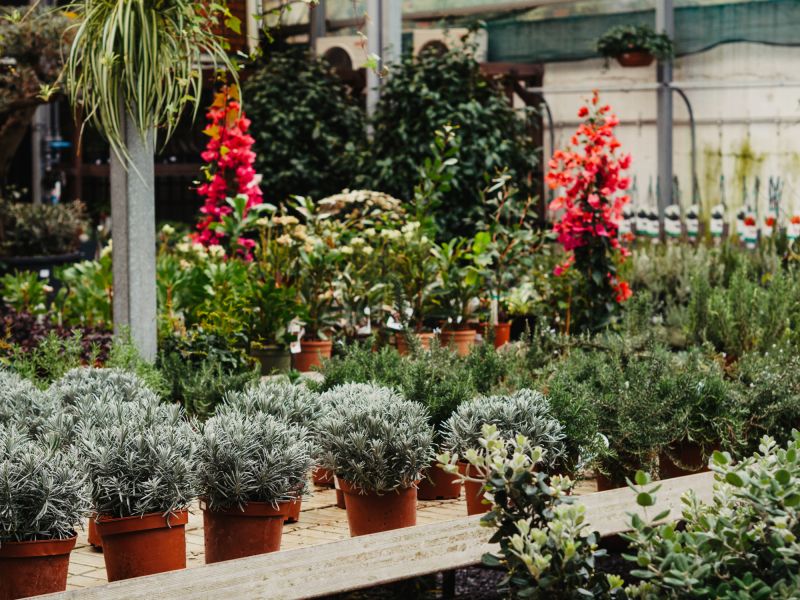
Popular materials for Plant Repottings and why they hold up over time.
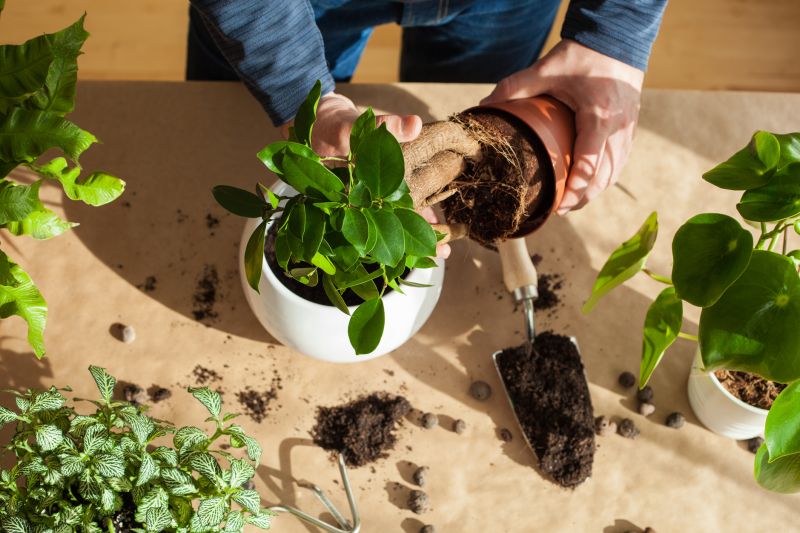
Simple add-ons that improve Plant Repottings without blowing the budget.
| Ideal Repotting Time | Supporting Conditions |
|---|---|
| Spring | Plants are entering active growth phase |
| Post-Flowering | After flowering, before new growth begins |
| Early Summer | Warm temperatures support root establishment |
| When Soil Is Dry | Soil moisture is low, reducing risk of rot |
| Signs of Root Crowding | Roots circling or soil drainage issues |
Plant repottings are a vital part of maintaining healthy indoor and outdoor plants. Proper timing ensures minimal stress and promotes vigorous growth. The best time varies depending on plant species, growth cycle, and environmental conditions. Typically, early spring is preferred for most plants, as they are preparing for active growth. However, specific signs such as root crowding or poor soil drainage can indicate the need for repotting at any time of year. Understanding these cues helps maintain plant health and vitality.
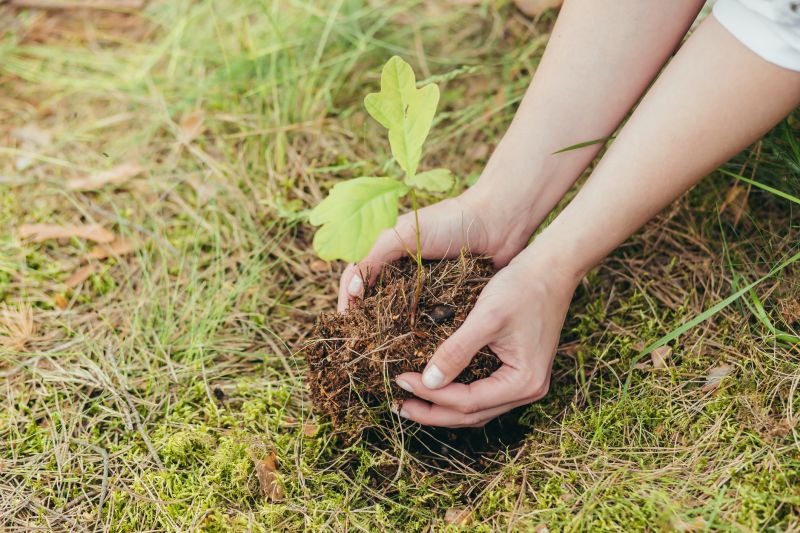
Supports healthy root development.
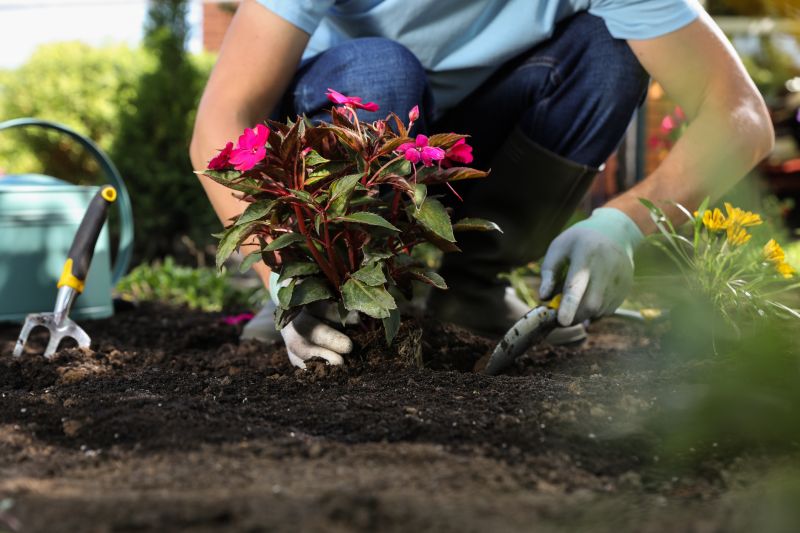
Reduces stress on flowering plants.
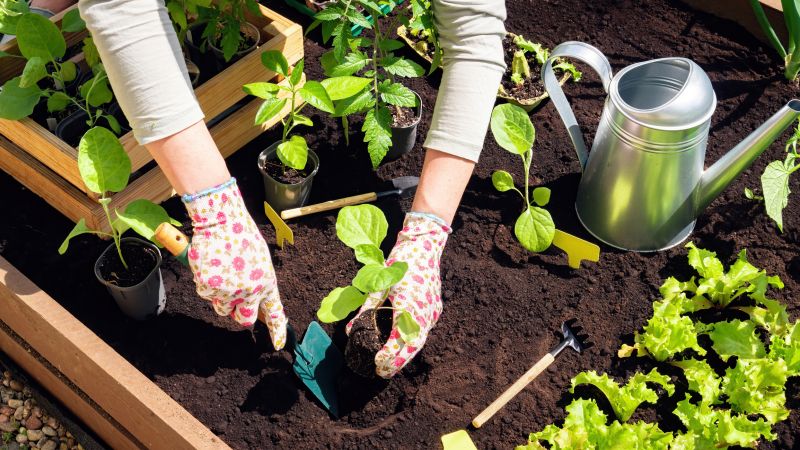
Identify when roots need more space.
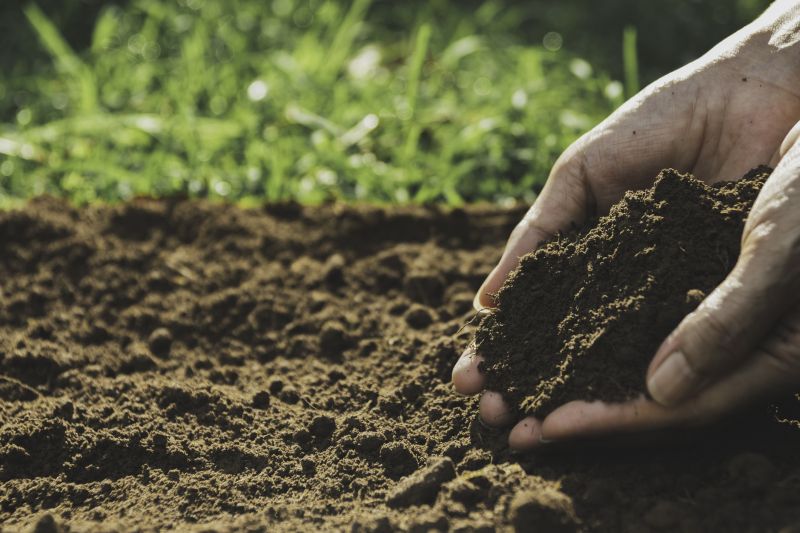
Revitalizes soil for better nutrient uptake.
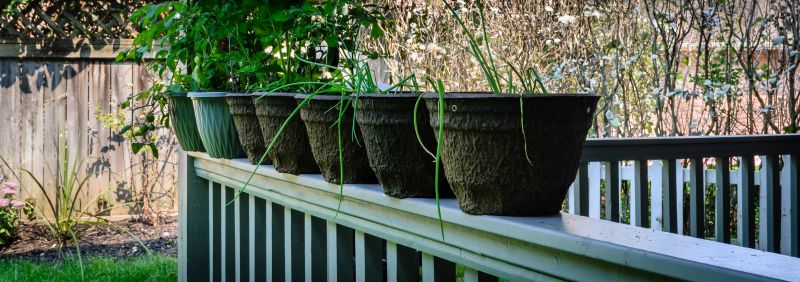
Finishes and colors that play nicely with Plant Repottings.

Little measurements that prevent headaches on Plant Repottings day.
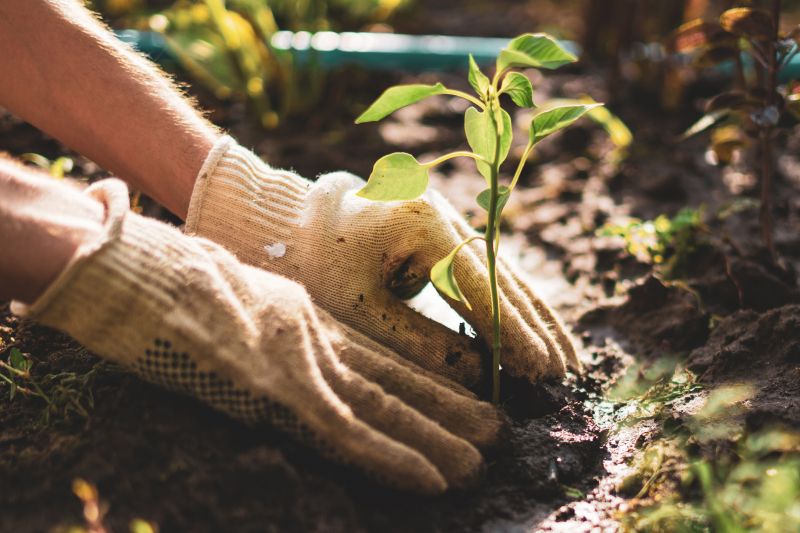
A 60-second routine that keeps Plant Repottings looking new.
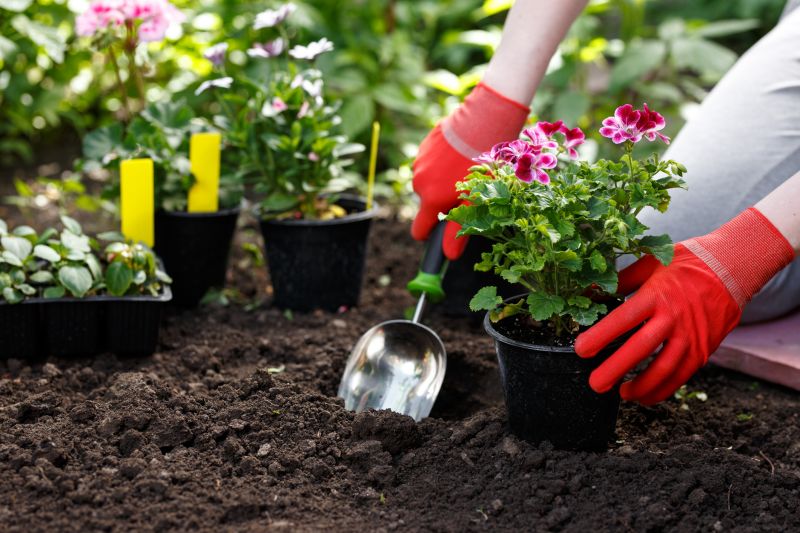
A frequent mistake in Plant Repottings and how to dodge it.
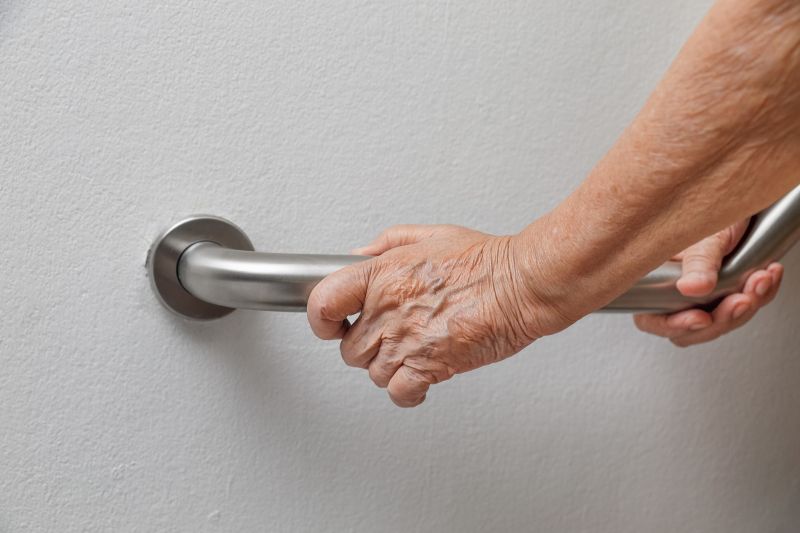
Small tweaks to make Plant Repottings safer and easier to use.
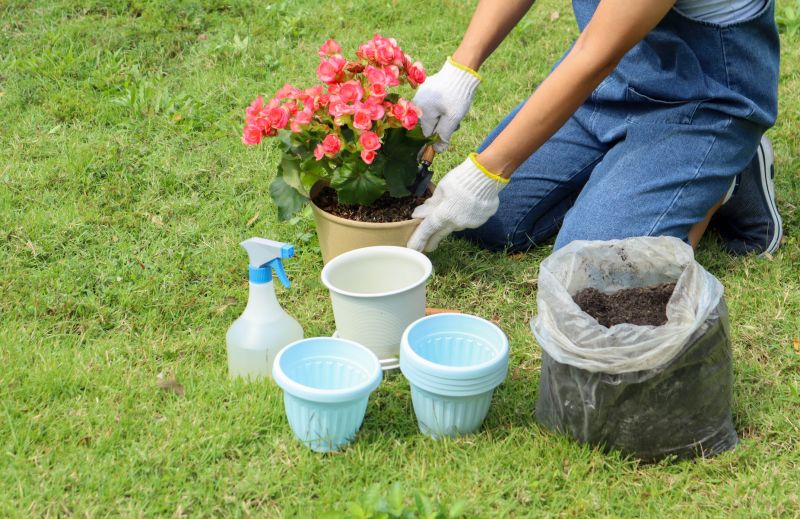
Lower-waste or water-saving choices for Plant Repottings.
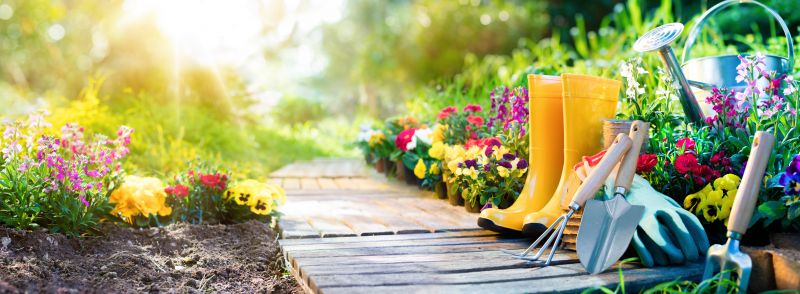
The short, realistic tool list for quality Plant Repottings.
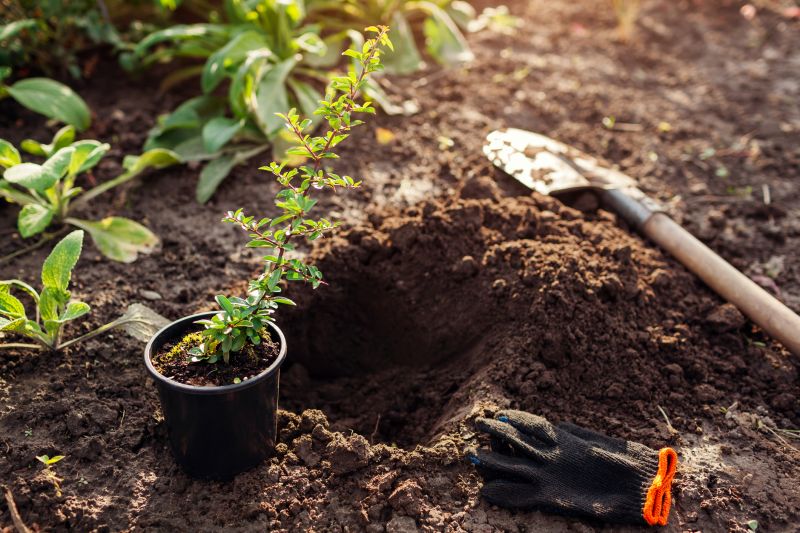
Rough timing from prep to clean-up for Plant Repottings.
Interested in scheduling a plant repotting? Filling out the contact form can connect you with professional services to ensure your plants receive optimal care at the right time. Properly timed repottings contribute to healthier, more vibrant plants and can prevent common issues such as root crowding and soil depletion.